January 14, 2026
Choosing the right roofing material is an important decision for homeowners, impacting both the appearance and long-term performance of a property. Roofs face constant exposure to weather, so selecting the proper type of material can affect maintenance needs, repair frequency, and overall longevity. This article provides an overview of asphalt and metal roofing, offering insights to help homeowners make informed choices that align with their home’s needs and style.
Deciding on a roofing material can also involve considering how it complements the home’s exterior design, how it fits within a renovation or repair plan, and how it may affect future maintenance schedules. Taking time to weigh these options ensures that homeowners feel confident in the outcome of their roofing investment. Understanding the differences between asphalt and metal roofing creates a strong foundation for these decisions.
It can also be helpful for homeowners to think about the roof as part of the home’s overall structure. How the roof interacts with siding, windows, and other exterior elements can affect both functionality and visual appeal. Keeping these broader considerations in mind allows for a more comprehensive approach when planning roofing installation or replacement projects.
Evaluate the Costs of Asphalt and Metal Roofing
Asphalt shingles are typically more affordable than metal, so you'll notice they're a more popular choice. However, long-term considerations, such as repair frequency and lifespan, can influence the overall value of a roof. Considering the total cost over the roof’s expected life is a helpful step in planning a roofing project.
Metal roofs generally require fewer repairs over their lifespan compared to asphalt shingles. They're more expensive, but that durability makes them a pretty solid choice depending on your needs and any environmental factors. Evaluating both the upfront and long-term financial implications is an important step for local residential roofers advising homeowners on the right material.
When thinking about cost, it can also be useful to consider factors such as how the roof fits into your home’s overall maintenance plan and how easy it is to access for inspections or minor repairs. Even small differences in installation and upkeep can accumulate over time, so giving attention to these details can help homeowners make more confident financial choices. According to This Old House, contractors measure roofs in squares, which determines how many shingles your home needs per 100 square feet.
Additionally, understanding the potential for future repairs and routine upkeep can help homeowners plan their budget more effectively. While initial costs are important, factoring in ease of maintenance and replacement needs over time provides a more complete picture of the overall investment. Local residential roofers can offer guidance to ensure these considerations are addressed appropriately.
Assess the Durability and Lifespan of Roofing Materials
Asphalt roofs typically last a while, depending on the quality of materials, installation, and environmental conditions. They are prone to wear and tear, including cracking and granule loss, which may necessitate repairs over time. Regular inspections and timely maintenance can help extend the life of an asphalt roof and protect the home’s interior from potential damage.
Metal roofs are highly durable and can last a long time. Their robust construction allows them to withstand a variety of weather conditions, reducing the need for frequent repairs. Choosing a roof with long-term durability in mind helps homeowners protect their investment and minimize unexpected maintenance costs, which is a key consideration for local residential roofers when advising clients.
Considering a roof’s durability also involves thinking about how it will perform through different seasons and over the years. Periodic check-ins, minor touch-ups, or preventive care contribute to the roof’s overall lifespan, regardless of the material chosen. Being proactive in maintenance planning helps ensure the home remains well-protected for the long term.
Homeowners may also reflect on how local weather patterns, such as rainfall or seasonal temperature fluctuations, could affect the roof’s longevity. Being mindful of these factors allows for scheduling inspections and preventive measures that help preserve the roof’s condition and functionality over many years. Local residential roofers often emphasize these considerations to guide homeowners toward informed decisions.
Consider the Aesthetic Appeal of Different Roof Styles
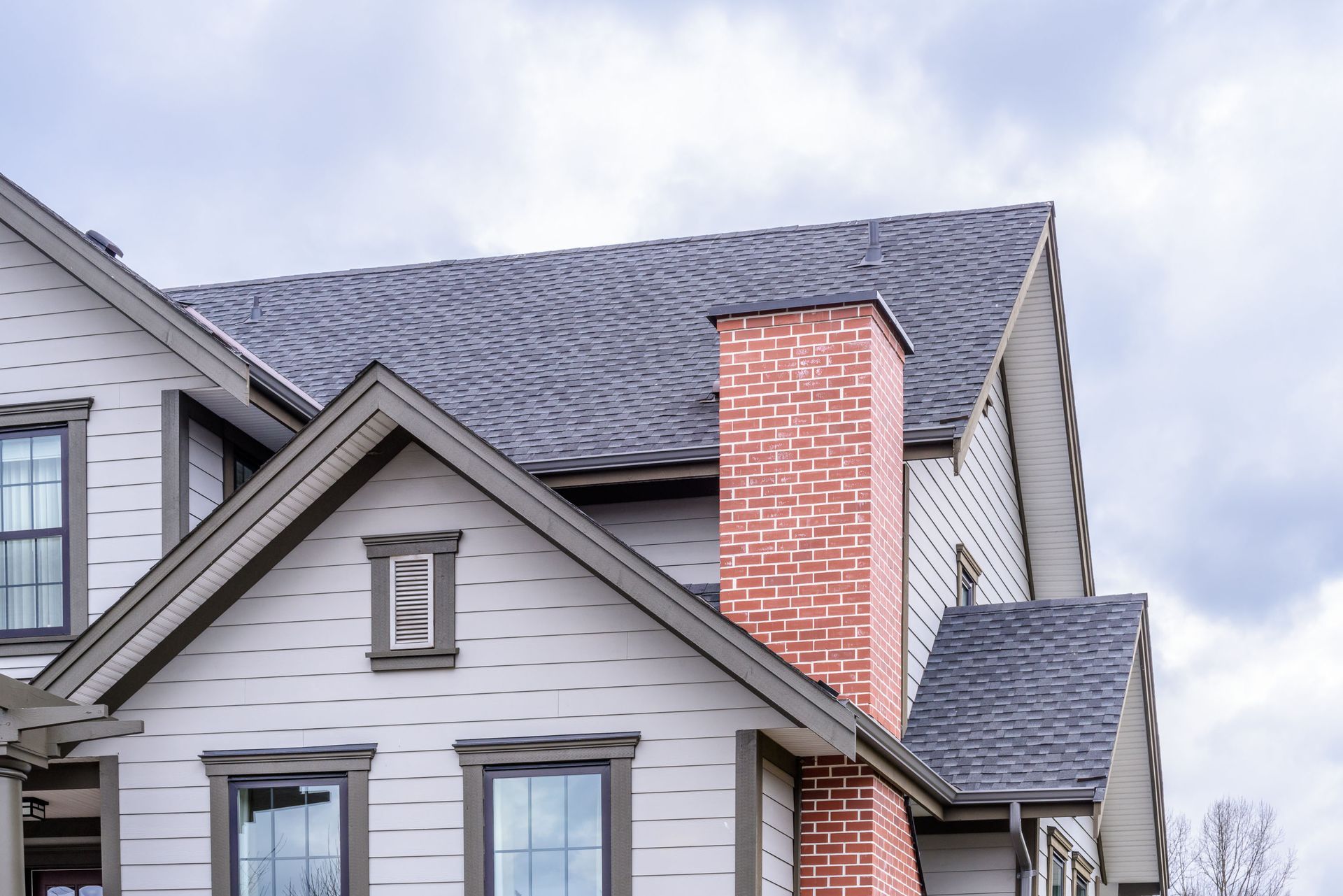
Roofing materials play a significant role in the overall look and feel of a home. Asphalt shingles come in a wide range of colors and textures, allowing homeowners to achieve a traditional or classic appearance. They can complement a variety of architectural styles, making them a versatile choice for many homes.
Metal roofing offers a sleek and modern aesthetic and is available in multiple styles that can complement both contemporary and traditional homes. Homeowners can select roofing materials that align with the overall design of their property, ensuring both durability and curb appeal. Local residential roofers can assist in exploring these options to match design preferences effectively.
When considering aesthetics, it’s helpful to imagine how the roof will interact with other exterior elements, such as siding, windows, and landscaping. Taking a holistic approach to exterior design ensures that the roof contributes to a cohesive and appealing look. Small choices in color, texture, and style can make a noticeable difference in the overall impression of the home.
Plan the Installation and Maintenance of Your Roof
Asphalt shingles are generally easier and quicker to install, which can contribute to lower installation costs. Metal roofing requires specific installation skills, making professional installation essential for optimal performance. Regardless of material, professional installation ensures the roof functions properly and lasts for its intended lifespan.
Maintenance requirements differ between the two types. Asphalt roofs typically need regular inspections and occasional repairs, such as replacing damaged shingles. Metal roofs are low-maintenance, requiring only periodic inspections and cleaning to preserve performance. Considering the maintenance needs of each option helps homeowners plan for long-term care and effective budgeting.
Additional considerations during installation and maintenance include ensuring proper ventilation, checking for potential weak points, and keeping gutters and drainage systems clear. Attending to these details helps protect the roof’s structure and contributes to smoother performance over time. Planning ahead for maintenance can make future inspections and repairs simpler and more manageable, which is guidance often shared by local residential roofers.
Protect Your Home Through Roof Performance
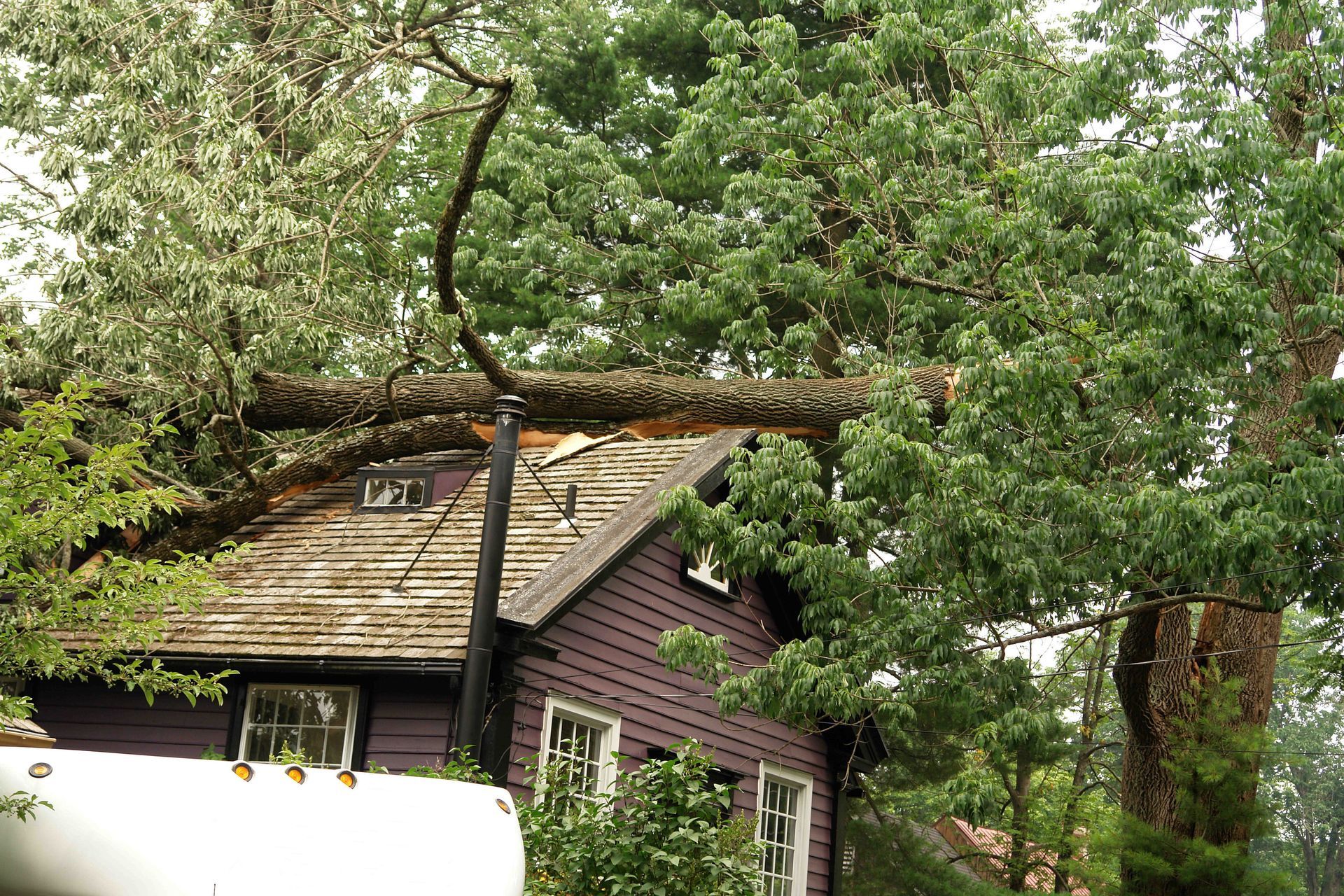
Both asphalt and metal roofing provide protection for homes, though their performance characteristics differ. Asphalt shingles can perform well under typical weather conditions but may require attention after heavy storms or severe weather. Metal roofs are known for long-lasting construction and resistance to wear, which can help homeowners minimize repair needs. Evaluating how each material protects a home is a key step when working with local residential roofers.
Routine inspections and timely repairs are essential to preserving the integrity of any roof. By understanding the performance characteristics of asphalt and metal roofing, homeowners can make choices that ensure their roof continues to protect their home effectively for many years. Local residential roofers recommend regular monitoring and maintenance to achieve these outcomes.
Other factors that contribute to a roof’s overall performance include proper installation, roof pitch, and the underlying structure. Ensuring these elements are properly addressed helps maintain a safe and effective barrier against the elements. Homeowners who stay attentive to these details can feel confident that their roof will provide ongoing protection and support long-term stability.
Both asphalt and metal roofing offer distinct benefits depending on a homeowner’s priorities, with asphalt shingles providing an affordable, versatile choice and metal roofs offering long-lasting durability and lower maintenance. Considering factors like budget, home style, and long-term performance can help homeowners select the right option for their property, while professional installation and ongoing care ensure the roof continues to protect the home effectively. To explore roofing solutions and determine which material best fits your needs, learn more from Top Gunn Roofing & Restoration, LLC.