
Claim Your Military Discount Today
Top 5 Energy-Saving Window Upgrades to Keep Your Home Cool This Summer
Keep Your Illinois Home Cooler with Smart Window Upgrades
Low-E Glass Coatings: Block Heat Without Sacrificing Natural Light
Low-emissivity (Low-E) glass coatings are microscopically thin metallic layers applied to window panes that reflect infrared heat while letting visible light pass through. For Illinois homeowners dealing with intense July and August sun, Low-E windows keep your home noticeably cooler without darkening rooms or blocking your view. The coating works by bouncing radiant heat back outside in summer (and keeping warmth inside during winter), cutting cooling costs by 15 to 25 percent compared to clear glass.
In Belvidere and the surrounding Boone County area, where summer humidity amplifies the feeling of heat, Low-E windows also reduce the load on your AC unit, extending its lifespan and lowering monthly utility bills. Most homeowners see a return on investment within seven to ten years, especially if replacing single-pane windows. Low-E coatings come in different types: some optimize for hot climates by blocking more solar heat, while others balance heating and cooling needs for four-season areas like northern Illinois.
If you’re building new or replacing old windows, Low-E glass should be standard. Top Gunn Roofing & Restoration offers professional window installation that includes energy-efficient glass options tailored to your home’s orientation and climate zone. Installed correctly, Low-E windows deliver immediate comfort and long-term savings without compromising curb appeal or interior brightness.
Double or Triple-Pane Windows: Double Your Insulation, Slash Your Bills
Upgrading from single-pane to double-pane (or even triple-pane) windows is one of the most impactful changes you can make for summer cooling and year-round energy efficiency. Double-pane windows sandwich a layer of inert gas (usually argon or krypton) between two sheets of glass, creating an insulating barrier that blocks heat transfer. This design keeps hot outdoor air from warming your interior and prevents cool conditioned air from escaping. Triple-pane windows take this further, adding a third pane and gas layer for maximum insulation, ideal for extreme climates or homes with large window areas.
Many older homes in Rockford, Belvidere, and surrounding areas still have original single-pane windows that lose cool air rapidly on hot summer afternoons. Upgrading to double-pane can reduce cooling costs by 20 to 30 percent, and triple-pane can push savings even higher. The gas fill also dampens outdoor noise, making your home quieter and more comfortable. While triple-pane windows cost more upfront, they often pay for themselves faster in areas with high energy usage, particularly if your home has south or west-facing exposure.
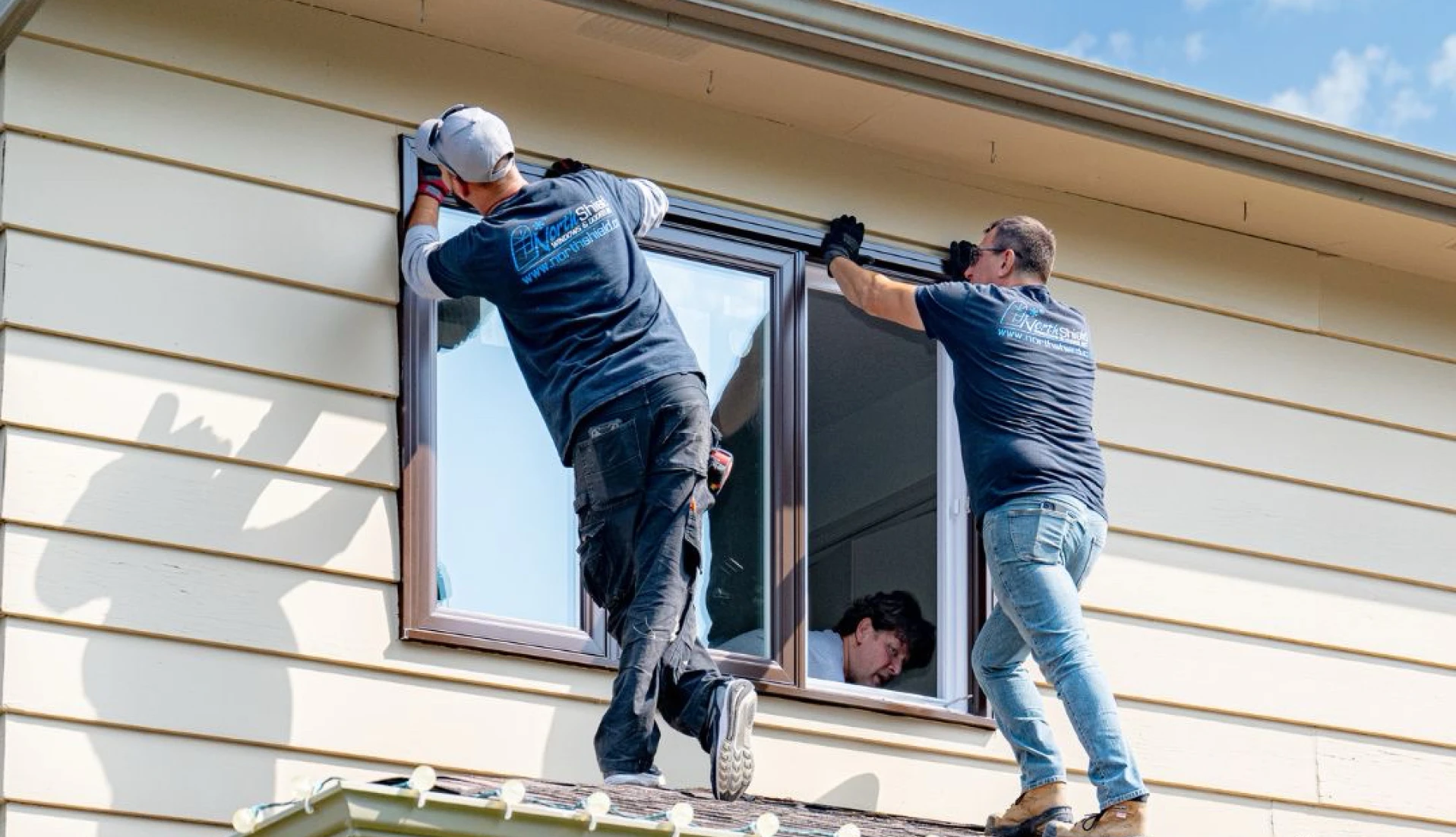
Professional installation is critical: poorly sealed multi-pane windows lose their insulating benefit and can develop condensation between panes. Top Gunn Roofing & Restoration specializes in energy-efficient window replacement, ensuring airtight installation and proper sizing so your new windows deliver the performance and savings you expect.
Cellular Shades: Trap Air and Block Summer Heat Gain
Cellular shades (also called honeycomb shades) are window treatments with a unique honeycomb structure that traps air in pockets, creating an insulating layer against your windows. In summer, they block solar heat from entering through the glass, keeping rooms cooler and reducing the work your AC has to do. Quality cellular shades can reduce heat gain by up to 60 percent on sunny windows, especially when paired with reflective or blackout backing. They’re particularly effective on west and south-facing windows that bake in afternoon sun.
For Belvidere-area homeowners, cellular shades offer a budget-friendly upgrade that doesn’t require replacing your existing windows. They come in single-cell, double-cell, and triple-cell designs (more cells mean better insulation), and you can choose light-filtering or room-darkening fabrics depending on your needs. Light-filtering options let you enjoy natural light while blocking heat, while blackout options are ideal for bedrooms and media rooms. Installation is simple and can be done room by room, making this an accessible first step for anyone looking to cut cooling costs.
Cellular shades are also versatile: top-down/bottom-up models let you control privacy and light independently, and motorized versions add convenience. Expect to recoup your investment in two to four years through lower energy bills, faster if you cover multiple large windows. Pair them with energy-efficient glass for maximum effect, and consider consulting a professional for custom sizing and installation advice.
Reflective Window Films: Cut Solar Heat Gain by 30 Percent or More
Solar control window films are adhesive layers applied directly to the inside of your existing windows that reject solar heat and UV rays without blocking your view. These films can reduce heat gain by 30 to 50 percent, making them one of the most cost-effective upgrades for cooling a home in Illinois summers. They work by reflecting infrared radiation away from your home, keeping indoor temperatures more stable and easing the burden on your air conditioning system. Films also block up to 99 percent of UV rays, protecting furniture, flooring, and artwork from fading.
Reflective films are especially valuable in Rockford and Belvidere, where many homes have large picture windows or sliding glass doors that turn into heat traps during peak sun hours. Installation is straightforward, and quality films can last ten to fifteen years with minimal maintenance. You’ll notice an immediate drop in glare and heat, and your cooling costs should decrease by 10 to 20 percent depending on window size and exposure. Films come in a range of tints and finishes, from nearly invisible to mirror-like, so you can choose the look that fits your home’s style.
One caveat: applying film to dual-pane or Low-E windows requires careful product selection to avoid damaging the glass or voiding warranties. If you’re unsure, consult a professional installer or ask about film compatibility when scheduling window upgrades with Top Gunn Roofing & Restoration. Properly chosen and installed films deliver years of comfort and savings.
Argon or Krypton Gas Fills: Invisible Insulation Between Your Panes
Argon and krypton are inert gases used to fill the space between panes in double and triple-pane windows. Because these gases are denser than air, they slow the transfer of heat and cold, making your windows significantly more energy efficient. Argon is the most common and cost-effective option, while krypton offers slightly better insulation and is often used in thinner window cavities or triple-pane designs. Gas-filled windows can improve thermal performance by 15 to 25 percent over air-filled units, translating to lower cooling and heating bills year-round.
For homeowners in northern Illinois, where temperature swings between seasons are dramatic, gas-filled windows provide stable indoor comfort and reduce the load on HVAC systems. The gas fill also helps reduce condensation on the interior glass surface, a common problem in humid summer months when cool indoor air meets warm glass. Over time, gas can slowly leak from poorly sealed units, so quality manufacturing and installation are essential. Reputable window manufacturers warranty their gas fills for ten to twenty years, and properly installed units should retain their performance for the life of the window.
If you’re replacing windows, always ask whether gas-filled options are available and which gas is recommended for your climate and window size. Top Gunn Roofing & Restoration offers professional window installation with energy-efficient glass units that include argon or krypton fills, ensuring you get the maximum insulation and longevity from your investment. The upfront cost is modest, and the payoff in comfort and savings is substantial.
